سلیکیفائیڈ مائیکرو کرسٹل لائن سیلولوز (SMCC) – فارماسیوٹیکل ایکسپیئنٹ

- Wonsen
- چین
- 30 دن
- ہمیشہ فراہمی
سلیکیفائیڈ مائیکرو کرسٹل لائن سیلولوز (SMCC) ایک مشترکہ پروسیس شدہ فارماسیوٹیکل ایکسپیئنٹ ہے جو پاؤڈر کے بہاؤ اور ٹیبلٹ کی سکڑاؤ کو بہتر بنانے کے لیے ڈیزائن کیا گیا ہے۔ براہ راست کمپریشن، ٹیبلٹ مینوفیکچرنگ اور کیپسول فارمولیشنز کے لیے مثالی۔
جی ہاں ایس ایم سی سی کو پاؤڈر سے بھرے ہارڈ کیپسول فارمولیشنز میں استعمال کیا جا سکتا ہے۔ اس کے پاؤڈر کے بہاؤ اور تشکیل کی خصوصیات اسے کیپسول بھرنے والی ایپلی کیشنز کے لیے ایک مفید آپشن بناتی ہیں۔
8. Silicified Microcrystalline Cellulose کی ظاہری شکل کیا ہے؟
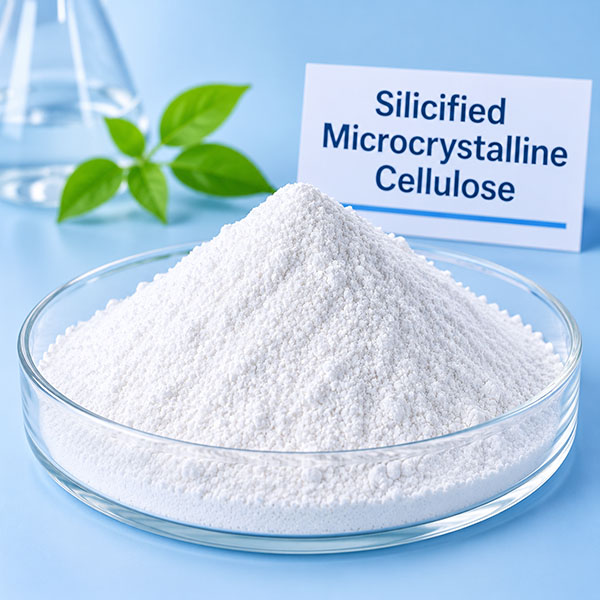
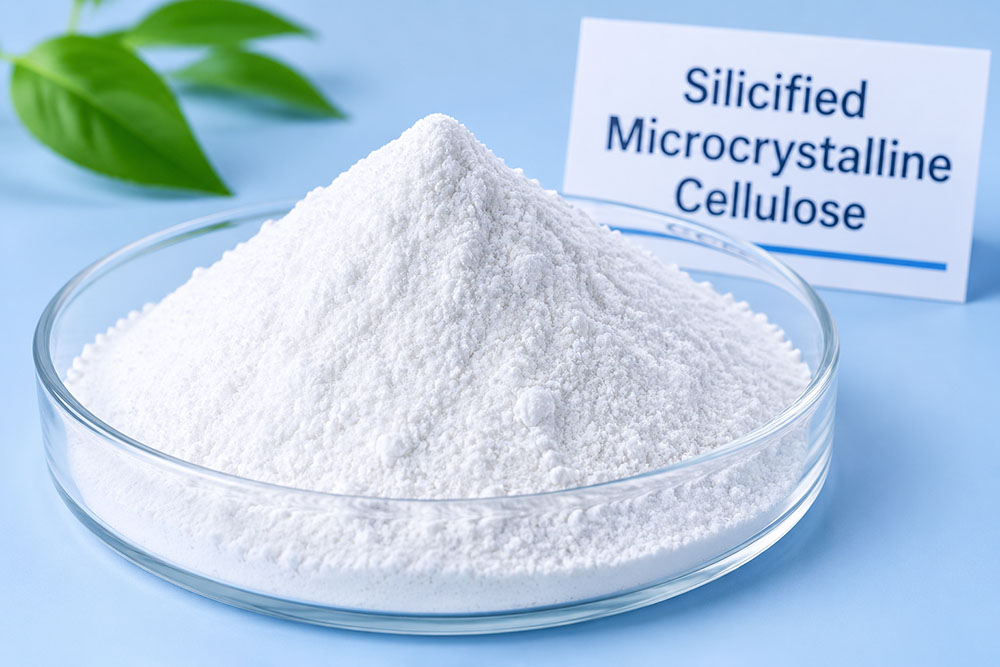
سلیکیفائیڈ مائیکرو کرسٹل لائن سیلولوز عام طور پر ایک سفید یا تقریباً سفید پاؤڈر ہوتا ہے۔ اس کے ذرہ کا سائز، بلک کثافت اور دیگر جسمانی خصوصیات گریڈ اور مینوفیکچرر کے لحاظ سے مختلف ہو سکتی ہیں۔
9. سلیکیفائیڈ مائیکرو کرسٹل لائن سیلولوز کو کیسے ذخیرہ کیا جانا چاہیے؟
SMCC کو عام طور پر صاف، خشک ماحول میں مضبوطی سے بند کنٹینرز میں ذخیرہ کیا جانا چاہیے۔ اس کے معیار کو برقرار رکھنے کے لیے مینوفیکچرر کی تجویز کردہ اسٹوریج کی شرائط اور پروڈکٹ کی دستاویزات پر عمل کریں۔
10. سلیکیفائیڈ مائیکرو کرسٹل لائن سیلولوز کے لیے کون سی دستاویزات دستیاب ہیں؟
عام تکنیکی دستاویزات میں تجزیہ کا سرٹیفکیٹ (COA)، ٹیکنیکل ڈیٹا شیٹ (TDS) اور سیفٹی ڈیٹا شیٹ (SDS) شامل ہوسکتا ہے۔ فارماکوپیئل کمپلائنس دستاویزات اور دیگر کوالٹی سرٹیفکیٹ کی دستیابی مخصوص پروڈکٹ اور مینوفیکچرر پر منحصر ہے۔
11. میں SMCC کے صحیح گریڈ کا انتخاب کیسے کر سکتا ہوں؟
مناسب گریڈ فارمولیشن، پاؤڈر کے بہاؤ کی ضروریات، کمپریشن کی کارکردگی، ذرہ سائز اور مینوفیکچرنگ کے عمل پر منحصر ہے۔ مصنوعات کی تفصیلات اور تکنیکی سفارشات کے لیے ہماری سیلز ٹیم سے رابطہ کریں۔
SMCC offers good compression and binding properties, helping manufacturers produce tablets with desirable mechanical strength.
3. Suitable for Direct Compression
SMCC is particularly suitable for direct compression formulations, helping simplify tablet manufacturing processes by reducing the need for additional granulation steps in suitable formulations.
4. Versatile Formulation Applications
It can be used in different solid dosage formulations, including tablets and powder-filled capsules.
5. Enhanced Formulation Performance
The combination of microcrystalline cellulose and colloidal silicon dioxide provides complementary functional properties, supporting formulation development and manufacturing efficiency.
Applications
Silicified Microcrystalline Cellulose is commonly used in:
Pharmaceutical tablet manufacturing
Direct compression formulations
Wet granulation formulations
Hard capsule formulations
Nutraceutical and dietary supplement formulations
Product Information
Product Name: Silicified Microcrystalline Cellulose
Abbreviation: SMCC
Product Category: Pharmaceutical Excipient
Main Components: Microcrystalline Cellulose and Colloidal Silicon Dioxide
Appearance: White or almost white powder
Main Functions: Filler, binder and flow-enhancing excipient
Main Applications: Tablet and capsule manufacturing
For detailed specifications, available grades, packaging options and technical documentation, please contact our sales team.
Comply with USP, CP
Item | USP | CP |
Identification | Conforms | Conforms |
pH | 5.0-7.5 | 5.0-7.0 |
Ether-soluble Matter (%) | ≤0.05 | ≤0.05 |
Water-soluble Matter (%) | ≤0.25 | ≤0.25 |
Residue on Ignition/ Sulfated ash (%) | 1.8-2.2 | 1.8-2.2 |
Loss on drying (%) | ≤7.0 | ≤6.0 |
Conductivity(uS/cm) | ≤75 | ≤75 |
Degree of polymerization | ≤350 | ≤350 |
Heavy metal (%) | —— | ≤0.001 |
Particle Size: SH-SMCC50(μm) SH-SMCC90(μm) |
D50:40~75 D90:70~130 |
D50:40~75 D90:70~130 |
Microbial limits | Conforms | Conforms |
Cas No.: 9004-34-6 112945-52-5 HS Code: 39129000
Main Purpose: Used as a filler in tablets and capsules.
Package: 20kg/kraft bag or 20kg/fiber drum
Packing Size: 2.2cbm/mt (bag) or D37cm*H53cm(drum)
H.W.: 20.2kg(bag) or 22.5kg(drum)
FAQs
1. What is Silicified Microcrystalline Cellulose (SMCC)?
Silicified Microcrystalline Cellulose (SMCC) is a co-processed pharmaceutical excipient made from Microcrystalline Cellulose (MCC) and Colloidal Silicon Dioxide (CSD). It combines the binding and compression properties of MCC with the flow-enhancing characteristics of colloidal silicon dioxide.
2. What is Silicified Microcrystalline Cellulose used for?
SMCC is mainly used as a multifunctional excipient in pharmaceutical solid dosage formulations. Its common applications include tablet manufacturing, direct compression, wet granulation and hard capsule formulations.
3. What are the main benefits of SMCC in tablet manufacturing?
The main benefits include improved powder flowability, good compressibility, effective binding properties and versatile formulation performance. These characteristics can help improve powder processing and tablet production consistency.
4. What is the difference between Microcrystalline Cellulose (MCC) and Silicified Microcrystalline Cellulose (SMCC)?
MCC is widely used as a tablet filler and binder because of its excellent compressibility. SMCC combines MCC with colloidal silicon dioxide through a co-processing process, providing additional flow-enhancing properties while maintaining useful compression characteristics.
5. Can Silicified Microcrystalline Cellulose be used for direct compression?
Yes. SMCC is commonly used in direct compression formulations. Its combination of flowability and compressibility makes it a useful excipient for manufacturing tablets without a separate granulation process, depending on the formulation requirements.
6. Can SMCC be used in wet granulation?
Yes. SMCC can also be incorporated into wet granulation formulations. Its performance depends on the formulation composition, processing conditions and selected grade.
7. Is Silicified Microcrystalline Cellulose suitable for capsule manufacturing?
Yes. SMCC can be used in powder-filled hard capsule formulations. Its powder flow and formulation properties make it a useful option for capsule filling applications.
8. What is the appearance of Silicified Microcrystalline Cellulose?
Silicified Microcrystalline Cellulose is generally a white or almost white powder. Its particle size, bulk density and other physical properties may vary depending on the grade and manufacturer.
9. How should Silicified Microcrystalline Cellulose be stored?
SMCC should generally be stored in tightly closed containers in a clean, dry environment. Follow the manufacturer's recommended storage conditions and product documentation to maintain its quality.
10. What documents are available for Silicified Microcrystalline Cellulose?
Typical technical documents may include a Certificate of Analysis (COA), Technical Data Sheet (TDS) and Safety Data Sheet (SDS). Availability of pharmacopeial compliance documentation and other quality certificates depends on the specific product and manufacturer.
11. How can I choose the right grade of SMCC?
The appropriate grade depends on the formulation, powder flow requirements, compression performance, particle size and manufacturing process. Contact our sales team for product specifications and technical recommendations.